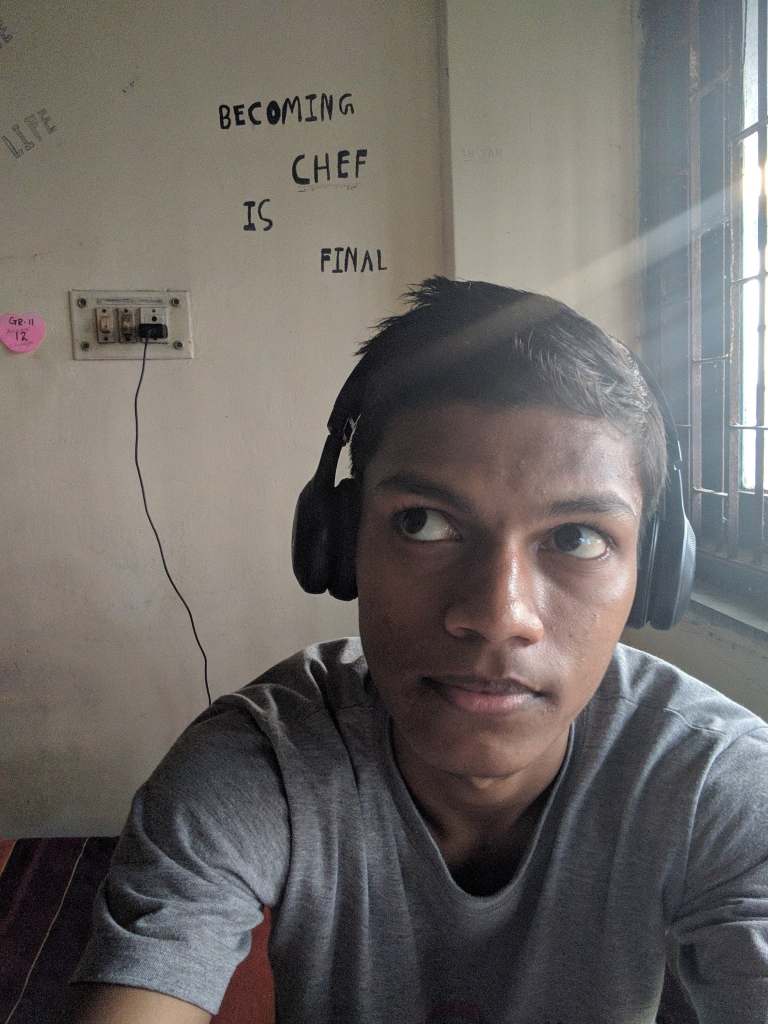
Hello and welcome to Breaking Bread. I am Prasad Ghode, a pastry chef with a tremendous passion for understanding the science behind baking.
My journey into the pastry world began at IHM Mumbai, where I studied from 2017 to 2020. During my bachelor’s program, I completed an internship at Grand Hyatt Mumbai that was divided into four departments. I spent half a month in the bakery department. Initially, I was reluctant because I didn’t think it would be much fun, but I soon realized that bakery work is enjoyable too! During the day, we prepared all the items, and the night shift would bake all the goods.
That internship taught me a lot about pastry and baking. I was the only trainee who handled the lamination machine and helped chefs with dough preparation. I remember my bakery chef had an impressive skill—he could weigh any flour ingredient with his fist without using a weighing machine! That’s how my interest in baking grew.
I also attended a masterclass by Chef Dean Rodrigues at the Academy of Pastry Arts India. This masterclass sparked my interest in chocolate making, teaching me how to temper chocolate, spray cocoa butter, make bonbons, and create showpieces like those seen on Instagram reels.
After graduation, I joined Zero Enthalpy Lab Private Limited as a chocolatier. I worked there for a year, making chocolates, tempering them, executing multiple orders, and participating in R&D projects.
My passion for baking was so strong that I applied to multiple universities worldwide and was accepted to Humber College in Canada for Baking and Pastry Arts Management. I left my job and began preparing for travel, but due to COVID, I couldn’t get my visa on time. I had to withdraw my application and look for another opportunity.
That’s when I came across Nisa Experience, which has a restaurant in Fort Mumbai. I joined Ekaa and KMC as a Pastry Chef and worked there for a year, learning extensively about pastry. When I say “pastry,” I’m referring to doughs like choux pastry, laminated doughs, puff pastry, shortcrust, and other types. I prepared all the components that went into dishes, as restaurant work requires executing orders quickly.
I trained under Chef Dhriti, who is well-known in the industry, alongside other Le Cordon Bleu graduate chefs. I had the opportunity to represent the restaurant at national-level cooking competitions. Simultaneously, I prepared for CET and was accepted into Jamnalal Bajaj for my MBA.
I left the restaurant because I wanted to make a bigger impact in the industry—not just by staying behind the kitchen counter, but by moving to the front, understanding the business, and deepening my understanding of how science can be used as a tool to teach everyone how baking works.
Throughout my professional journey, I noticed something fascinating: most talented pastry chefs don’t just follow recipes. They understand the fundamental principles that make recipes work. They know why we cream butter and sugar, how gluten development affects texture, and what happens chemically when leavening agents activate.
This knowledge isn’t just academic—it’s the difference between blindly following instructions and having the confidence to troubleshoot, adapt, and create. That’s what Pastry Principles is about. I want to share not just recipes but the science and techniques that will transform you from a recipe follower to a confident, knowledgeable baker.
Whether you’re struggling with cakes that never rise properly or curious why some cookies spread while others hold their shape, understanding the “why” behind baking will elevate your skills in ways that simply following recipes never can. Let’s start this blog!
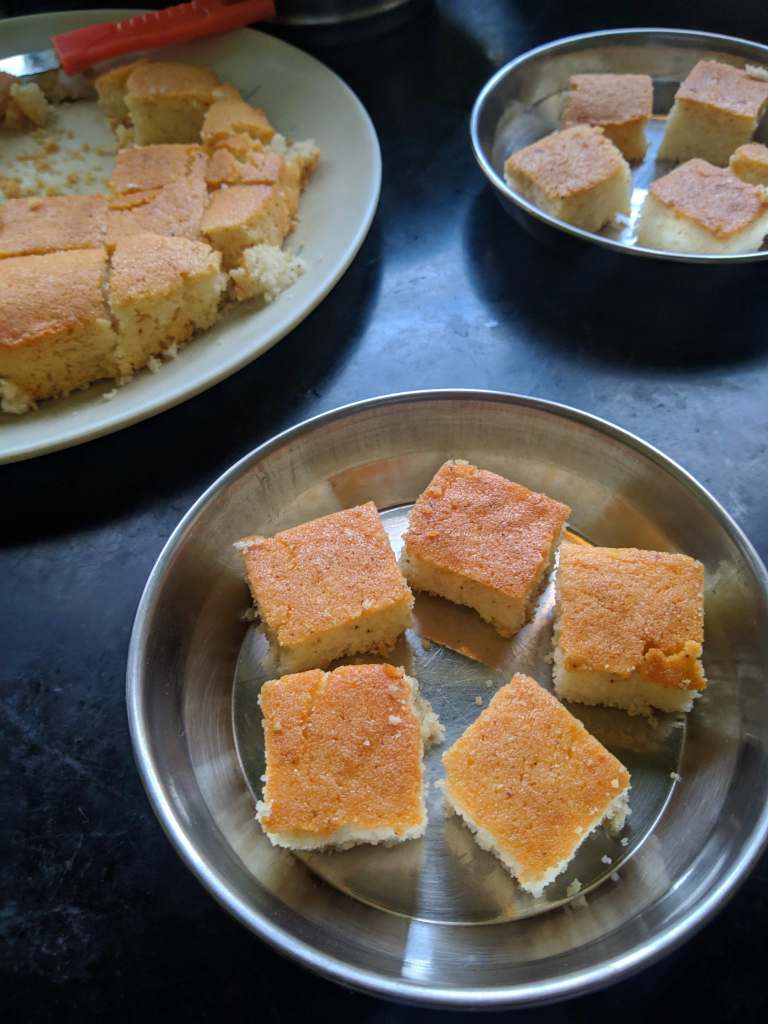
In this blog, I’ll break down complex baking science into practical knowledge that you can apply in your kitchen. We’ll explore ingredient functions, master essential techniques, troubleshoot common problems, and eventually develop skills to create original recipes tailored to your taste. To start our journey, here’s a simple vanilla sponge recipe that will showcase the fundamental baking principles we’ll explore in future posts.
Vanilla Sponge Cake
Ingredients:
- 225g of all-purpose flour
- 225g of sugar
- 225g of butter at room temperature
- 4 eggs at room temperature
- 1 tablespoon of baking powder
- 1/2 tablespoon of salt
- 2 teaspoons vanilla extract
- 2 tablespoons of milk
Method:
- Preheat your oven to 180°C and line a 9-inch cake tin with parchment paper or butter.
- Sift all your dry ingredients.
- In a separate large bowl, cream butter and sugar until pale and fluffy.
- Add eggs one at a time, beating well after each addition. If the mixture begins to curdle, add some of the flour mixture.
- Fold in the flour gently using a spatula, maintaining as much air as possible.
- Add vanilla extract and milk, and fold just to combine.
- Divide the batter if you’re using multiple tins, or pour into the single tin you’ve prepared.
- Bake at 180°C for 20-25 minutes.
- To check if it’s cooked, insert a small toothpick into the middle of the cake. If it comes out clean, your cake is done.
As you make this cake, pay attention to texture changes during creaming, how the batter looks when properly mixed, and visual cues that indicate doneness. In upcoming posts, we’ll explore why each step matters and how small adjustments can significantly impact your results.
I’m excited to embark on this baking journey with you! Next time, we’ll dive into understanding various ingredients that form the foundation of all baked goods.
What baking technique or science are you most curious about? Let me know in the comments!

 Breaking Bread
Leave a comment