Hey bakers!
I still remember ruining my first batch of cookies. I thought flour was just flour, so I swapped regular for whole wheat. Big mistake! That day taught me that knowing your ingredients really matters if you want your baking to turn out well.
Let’s look at the main baking ingredients and why they matter. I promise you’ll see that bag of flour or butter differently after reading this!
Flour is More Than Just White Powder
Flour is the foundation of most baking, but there are big differences between types. The main difference is protein content, which affects texture.
When I worked at KMC restaurant, our pastry chef was super careful about choosing the right flour:
- All-purpose flour (10-12% protein): Works for most recipes. I always keep this in my kitchen.
- Cake flour (7-9% protein): Makes super soft, tender cakes. I once tried making angel food cake with all-purpose flour and it was way too tough!
- Bread flour (12-14% protein): Gives that nice chew in breads and pizza crusts. The extra protein creates stronger structure that traps air bubbles better.
- Whole wheat flour: Contains the entire wheat kernel. It adds nutty flavor but soaks up more water, so you’ll need to adjust your recipes.
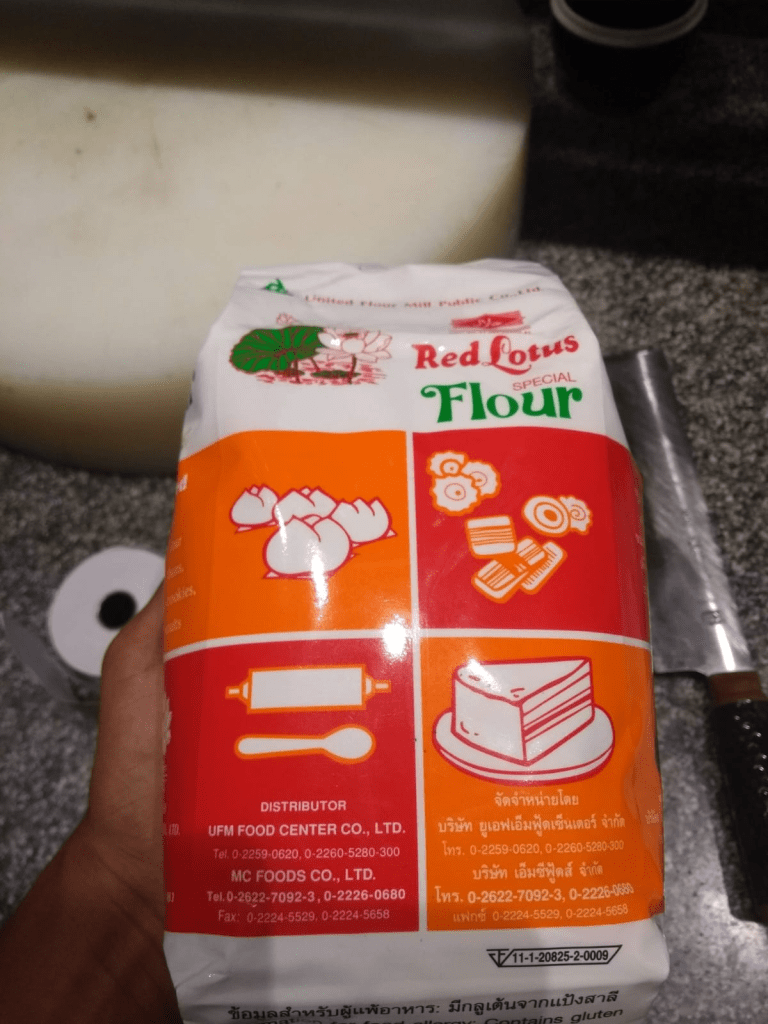
Need cake flour but don’t have any? Make your own! Take a cup of all-purpose flour, remove 2 tablespoons, and add 2 tablespoons of cornstarch. Sift it well. This trick has saved my late-night baking many times!
Fats Where Flavor Lives
If flour gives structure, fats give soul to your baking. They make things tender, moist, and flavorful.
- Butter (80-82% fat): Nothing beats real butter for flavor. The rest is mostly water, which creates steam during baking and helps things rise. My mom used to use ghee for cakes instead of butter!
- Oil (100% fat): Makes super moist cakes that stay fresh longer. My chocolate olive oil cake stays good for days—if it doesn’t get eaten first!
- Shortening (100% fat): Creates flaky pie crusts because it melts at a higher temperature. It’s not as tasty as butter, so I often use both. (Wonder if sandwich shops use real butter? Probably not!)
- Ghee/Clarified Butter: My secret for cookies with crisp edges and rich flavor. Without water, you get intense butter flavor without extra spreading.
At a fancy chocolatier where I trained, we compared different butters in the same recipes. The European butters with more fat (82-84%) made noticeably better pastries. Good butter is worth the extra money!
Sugar
Sugar does more than just make things sweet:
- White sugar: Creates air pockets when mixed with butter, helps with browning, and keeps baked goods moist.
- Brown sugar: Has molasses for deeper flavor and moisture. Want chewy cookies? Use brown sugar.
- Powdered sugar: Dissolves right away, perfect for smooth frostings. I once tried making frosting with regular sugar instead… it was very “crunchy”!
- Honey/Maple syrup: Add their own flavors and extra moisture. But you’ll need to adjust other liquids in your recipe.
When sugar dissolves in dough or batter, it actually prevents gluten from forming too much, making your baked goods more tender. This is why low-sugar recipes often turn out tougher than expected. Sugar isn’t just for sweetness—it’s for texture too!
What Makes Things Rise
Without these, all our treats would be flat:
- Baking soda: Works as soon as it touches acid and moisture. Remember those volcano experiments in school? Same reaction in your banana bread!
- Baking powder: Contains both acid and base, so it just needs moisture to work. Most kinds work twice—once when mixed with liquid and again when heated.
- Yeast: Living organisms that eat sugar and release carbon dioxide gas. You can find active dry, instant, and fresh yeast. I like instant best because it’s easier. The smell of yeast in warm water reminds me of my bakery classes.
- Steam & Air: Don’t forget about these natural leaveners! The water in butter, eggs, and milk creates steam, while mixing techniques add air. Cream puffs rise because of steam from water.
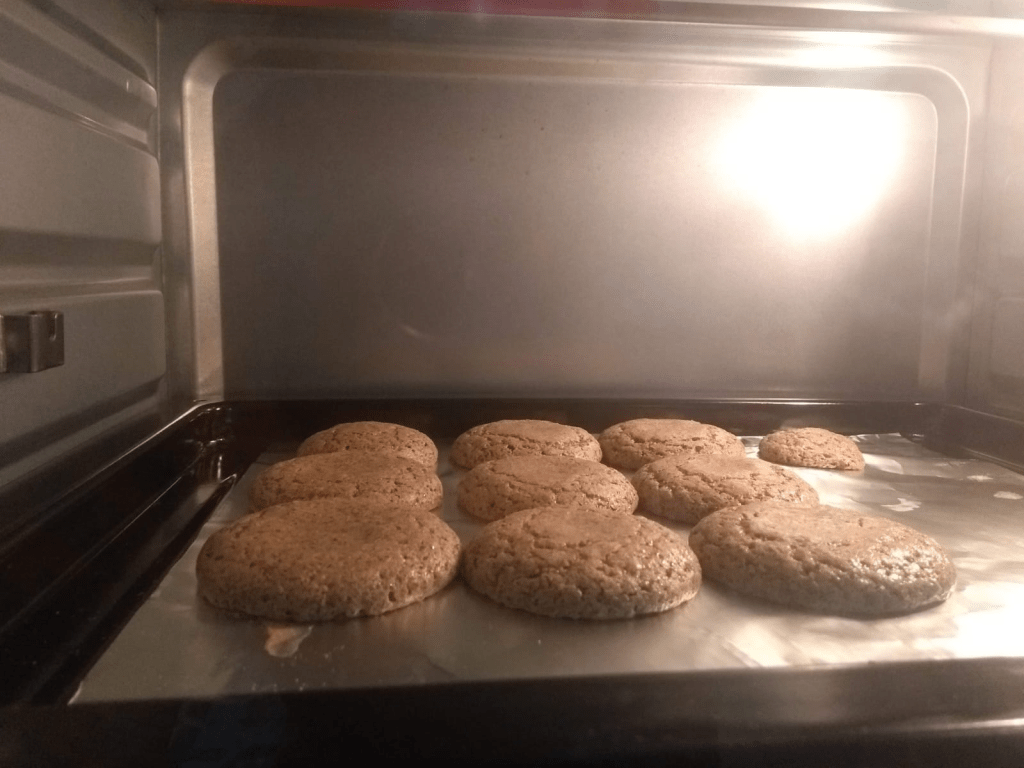
I learned the hard way to always test old leavening agents. Add baking powder to hot water or baking soda to vinegar—if they don’t bubble a lot, they’re too old. Nothing’s sadder than flat scones when you’ve been dreaming about them!
Eggs
Eggs do so many jobs in baking:
- Give structure as proteins set when heated
- Help with rising as trapped air expands
- Help mix water and fat together
- Add moisture
- Make things look better and taste better
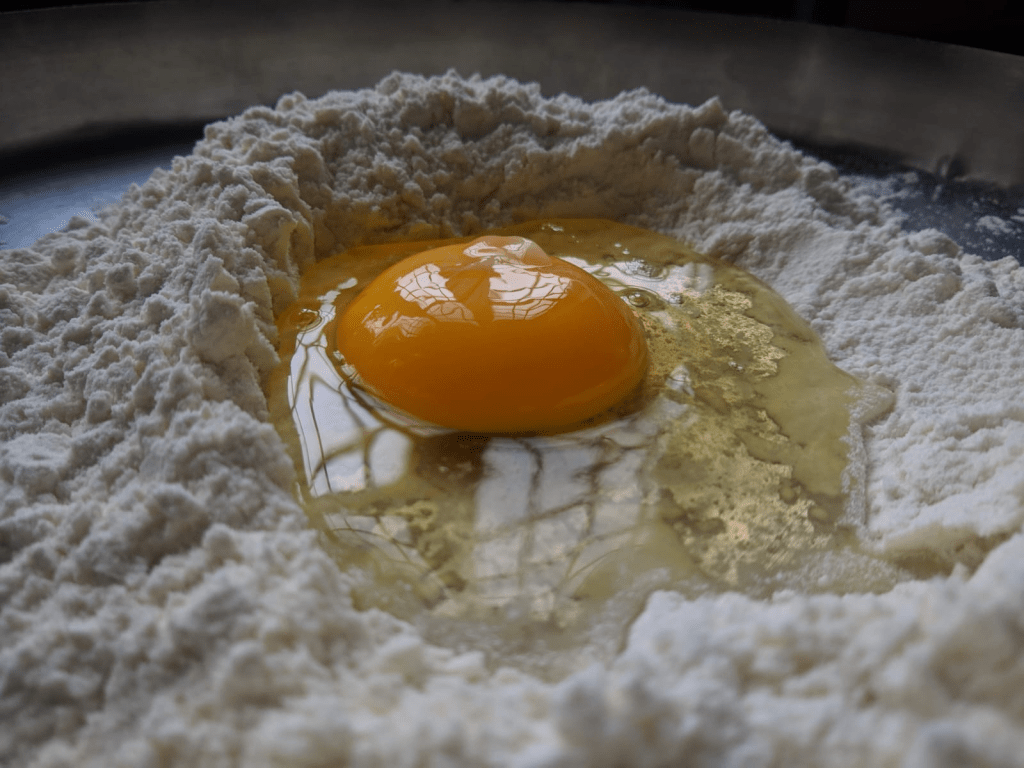
Temperature really matters with eggs! Cold eggs can make batters separate or fail to whip properly. At EKAA Fort restaurant, our pastry chef would put eggs in warm water for 5 minutes instead of waiting an hour for them to warm up—a trick I use all the time now!
Liquids are More Than Just Moisture
The liquid you choose makes a big difference:
- Water: Creates steam, activates gluten, dissolves dry ingredients
- Milk: Makes things tender, adds flavor, and helps browning
- Buttermilk/Yogurt: Their sourness makes gluten softer and reacts with leaveners for extra lift
- Coffee/Tea: Add complex flavors while working as the liquid
I love infusing liquids with flavors. Try warming milk with cinnamon, vanilla bean, or orange zest before adding it to your recipe. It creates amazing flavor that extracts can’t match! Some restaurants use matcha tea-infused milk to make ordinary sugar cookies extraordinary.
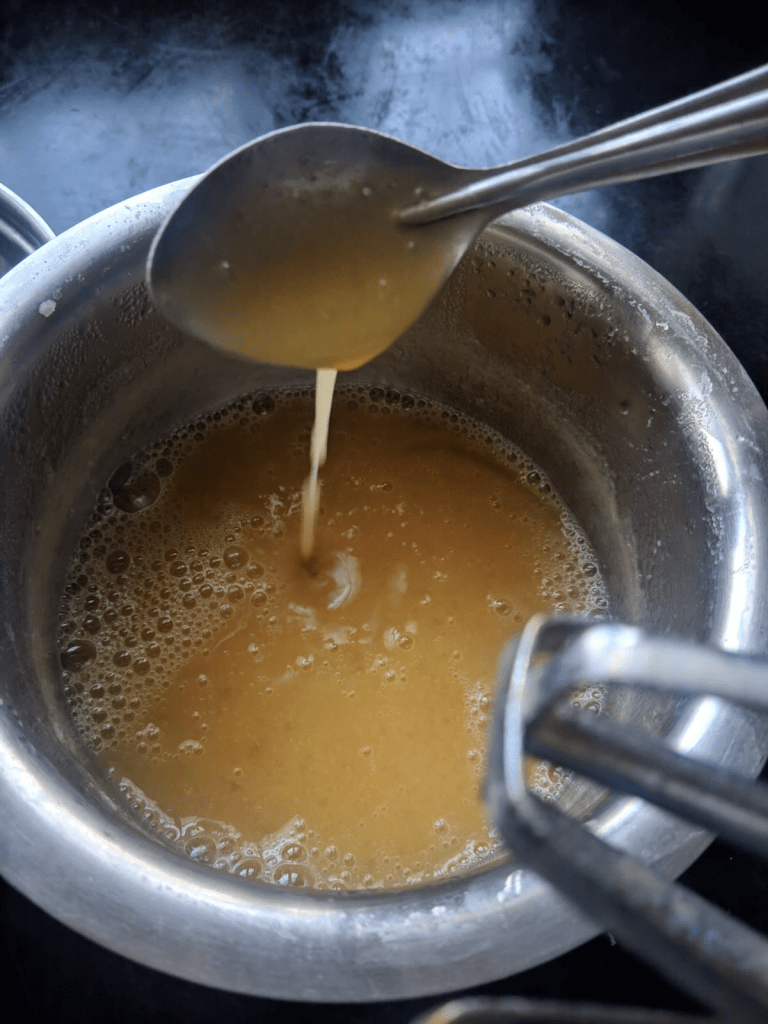
How Ingredients Work Together
What amazes me most about baking is how ingredients interact:
- Acid (like lemon juice) weakens gluten, making things more tender
- Sugar attracts water, keeping baked goods moist longer
- Salt enhances flavor and strengthens gluten
- Fat coats flour proteins, preventing too much gluten from forming
These interactions give us amazing control. I spent years wondering why the same cookie recipe sometimes gave me crisp cookies and sometimes chewy ones—turns out even small changes in ingredients or mixing method can dramatically change the result.
Next time, I’ll talk about measuring precisely and why digital scales and temperature guns changed my baking forever.
Until then, look at your pantry ingredients with fresh eyes. Check the protein content on your flour, compare butter brands, or test if your baking powder is still good!
What ingredient substitutions are you curious about? Leave a comment below—I read every single one and love hearing about your kitchen adventures!
Happy baking!

 Breaking Bread
Leave a comment